

Food Supply Chain Seasonality: How Leaders Turn Demand into an Edge
Senior leaders in food manufacturing and retail can manage seasonal peaks safely by giving every site and team the same current view of suppliers, quality and open actions, from source to sh...

What Is Cross-Functional Reporting in Food Supply Chains? A Leadership Guide
What is cross-functional reporting in a food supply chain? Cross-functional reporting brings quality, supplier, production and commercial data into one shared view, so every leader is lookin...
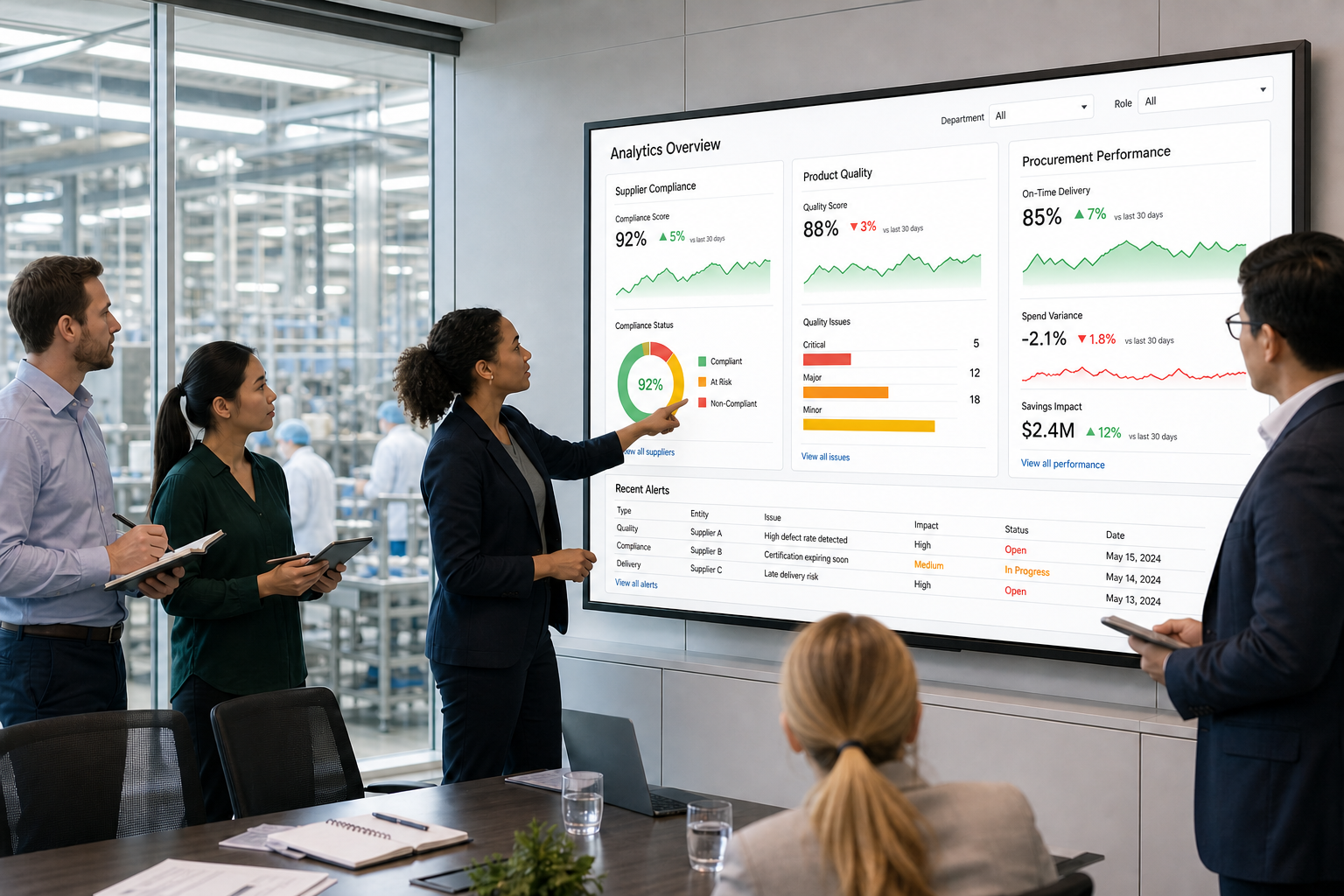
Seven Reporting Software Challenges Food Manufacturers Face
Reporting and analytics tools should give food manufacturers the clarity they need to act on compliance, quality, and procurement data in real time. Too often, they simply don't. Disconnecte...

Reducing Allergen Recalls at the Source: Why PLM Is a Leadership Call
Reducing allergen recalls at the source is a leadership call, because it depends on decisions only leaders can make about Product Lifecycle Management (PLM). A leadership approach treats PLM...
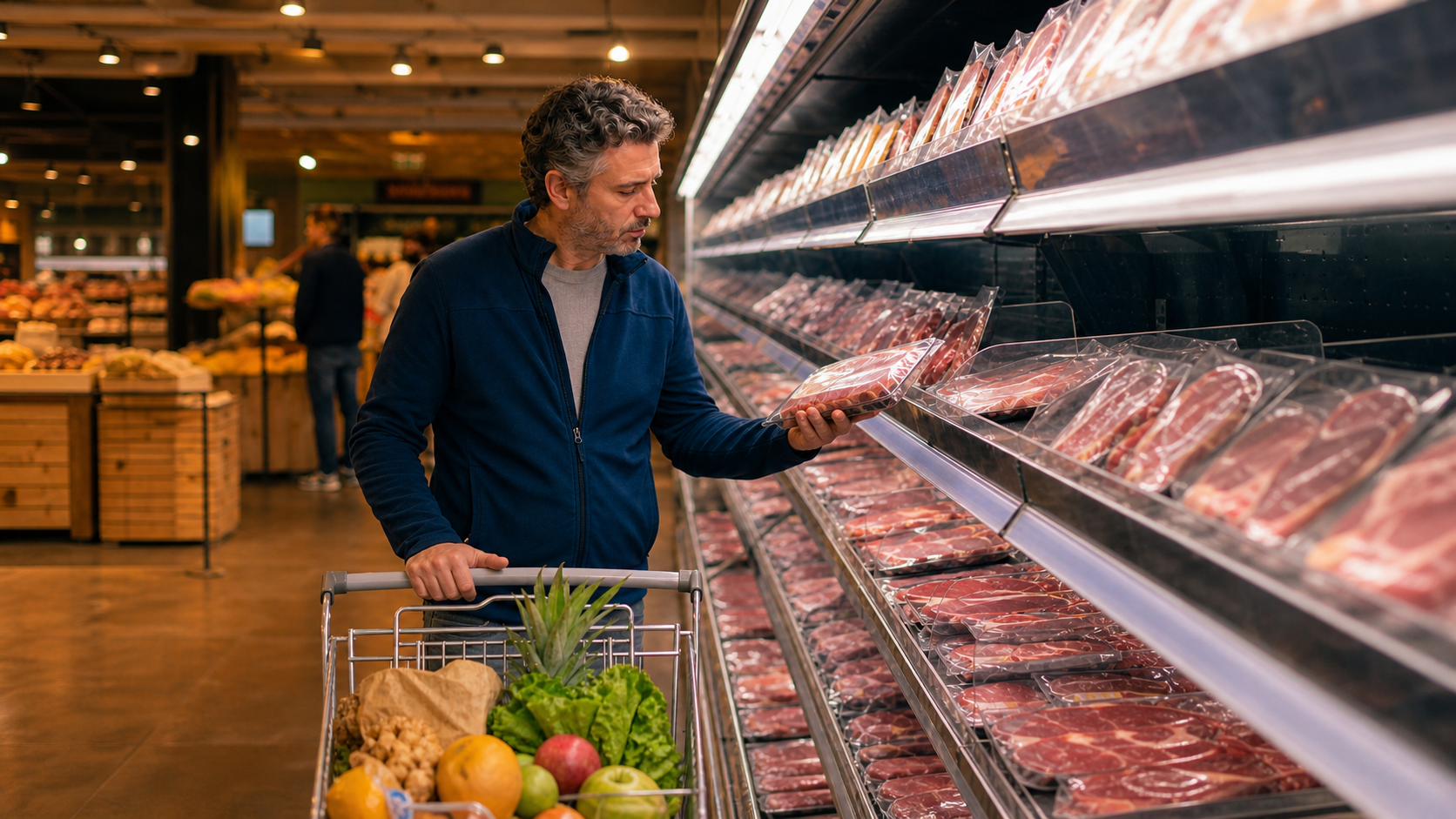
Protein Procurement Checklist: Find the Gap That Could Be Costing You Millions
Retail protein procurement runs on more assumptions than most people realise: a spec agreed on months ago, a price assumed to still reflect real costs, a forecast nobody's checked against wh...

What Creates Data Silos in Food Businesses
Data silos cost food businesses more than operational inconvenience. When supplier, quality, and procurement systems operate independently, the result is fragmented intelligence, duplicated ...