The safety of food has never been static. Today, food safety automation underpins compliance, traceability and operational resilience. As supply chains grow more complex and regulations tighten, data-driven systems, sensors and intelligent machinery are no longer optional - they are foundational to safe, scalable food production.
The evolution of automation in the food sector came about through necesssity. Influenced by the broader industrial and technological revolutions, innovation was a response to the challenges of handling perishable, variable, and often delicate products.
The adoption of automation has been a gradual process, with highs and lows. There has been resistance along the way but in reality it symbolises something much more fundamental – a desire to become more resilient and efficient. That has seen a shift away from reactive, paper-driven procedures and toward networked, data-driven systems that enable companies to grow securely, maintain audit readiness, and enhance supply chain transparency.
Today in our complicated global food system, automation serves as the cornerstone for robust, compliant operations. But how did we get here? Here's our history of automation in the food sector.
The arrival of early mechanisation
18-19th Century: food production is entirely manual. Olives are pressed, fish is salted and grain is milled by hand.
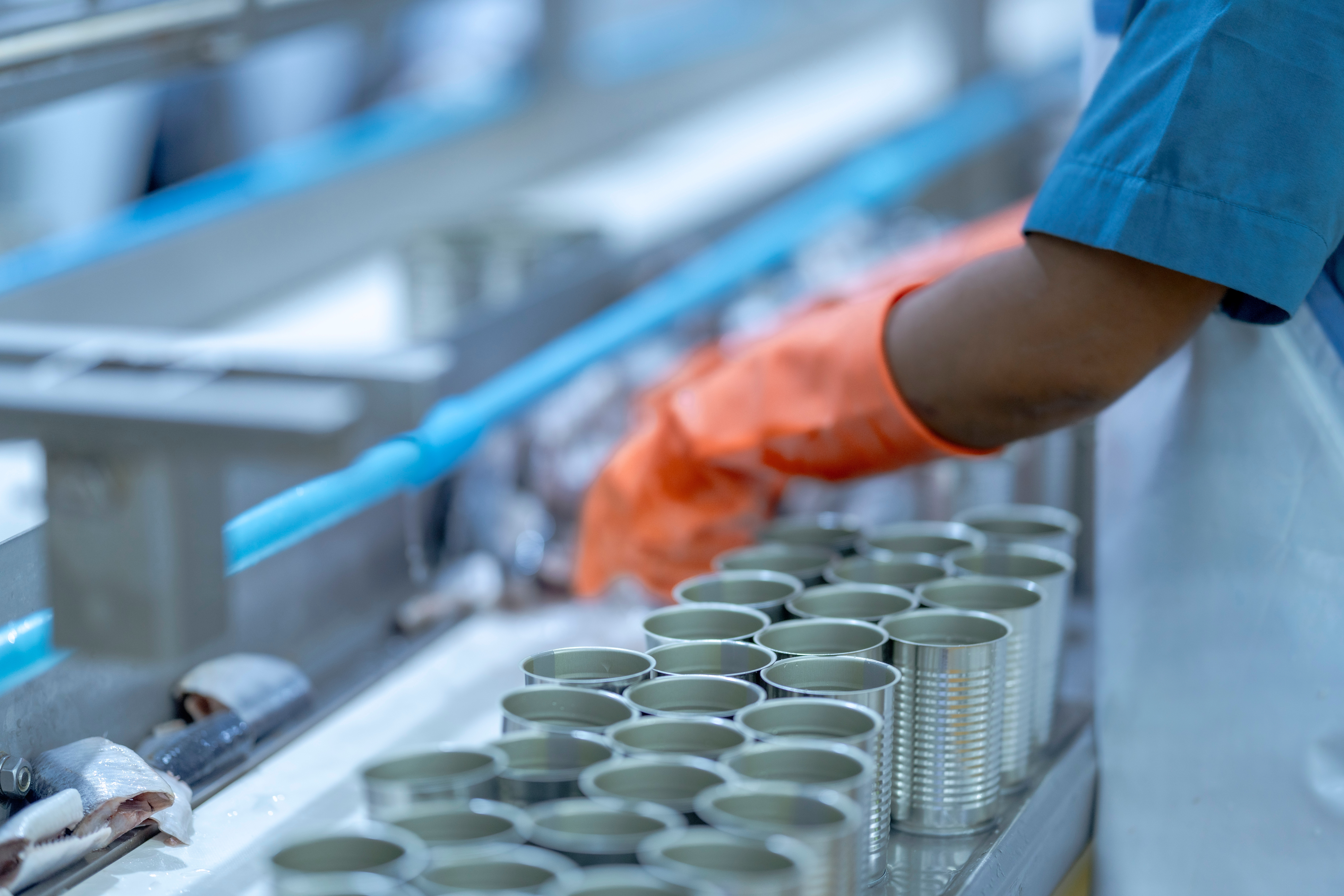
The invention of tin in the early 1800s.
This enables food preservation at scale and creating demand for mechanised filling and sealing equipment. The precursor to the modern production line starts in meatpacking sector.
The beginnings of the mass-production era
Early–mid 20th Century
The meatpacking assembly line concept is adopted into car manufacturing by Henry Ford.
Meatpacking plants became early exemplars, with "disassembly lines" that divid labour and use conveyor belts to move carcasses.
Bakeries, breweries and dairies invest heavily in continuous-flow machinery. Automatic bread slicers, pasteurisers and bottling lines became standard.
Refrigeration technology automates the preservation process, removing the reliance on ice harvesting or salting.
Post-war automation & food science
1950s-1970s
The post-WWII boom brings frozen foods, TV dinners and a consumer culture that demands consistent, standardised products at scale.
Canning lines become capable of processing thousands of units per hour. Chemical and food science advances allow more products to be made by machine with longer shelf lives.
Individually quick frozen (IQF) technology is invented and there is investment in automated mixing, portioning and packaging equipment.
Computer & sensor integration
1980s-1990s
Machines can now be programmed for different recipes, adjust parameters in real time, and track production data.
Sensors enable automated quality control — detecting fill levels, checking weights and scanning for contamination.
HACCP (Hazard Analysis Critical Control Points) frameworks, increasingly mandated by regulation, are made feasible at scale precisely because of automated monitoring.
The introduction of programmable logic controllers (PLCs) and early computer systems transforms food factories.
Barcoding and traceability systems make their first appearance.
Robotics & vision systems
2000-2010s
Robotic arms began picking, placing, and packing products, dealing with the challenge of handling fragile or irregularly shaped items like baked goods, fresh produce, and meat.
Machine vision systems enable automated inspection for defects, foreign objects and label accuracy.
Industrial robots — initially borrowed from automotive manufacturing — are finally adapted for food handling.
Collaborative robots are designed to work safely alongside human workers.
Automated guided vehicles (AGVs) begin replacing forklifts in warehouses.
The era of of AI, data & precision automation
2010s-present
The latest wave is driven by artificial intelligence, the Internet of Things (IoT) and big data.
Smart sensors throughout the supply chain — from farm to fork — feed data into centralised systems that can predict equipment failures, optimise energy use and adjust processes dynamically.
AI-powered vision systems detect quality issues that human inspectors could miss.
Fully automated facilities with no human workers on the floor – known as dark factories — become reality in beverages and confectionery.
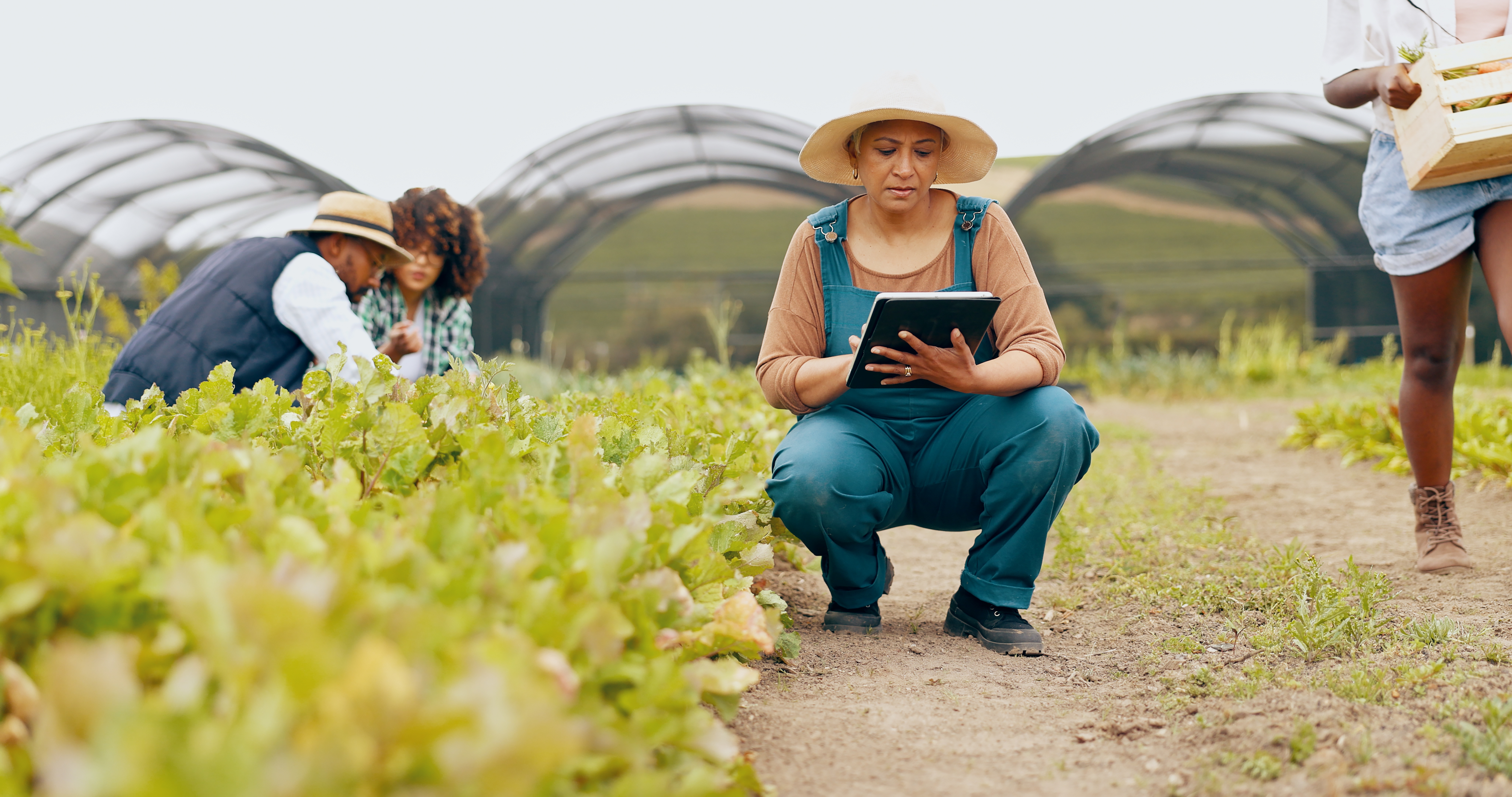
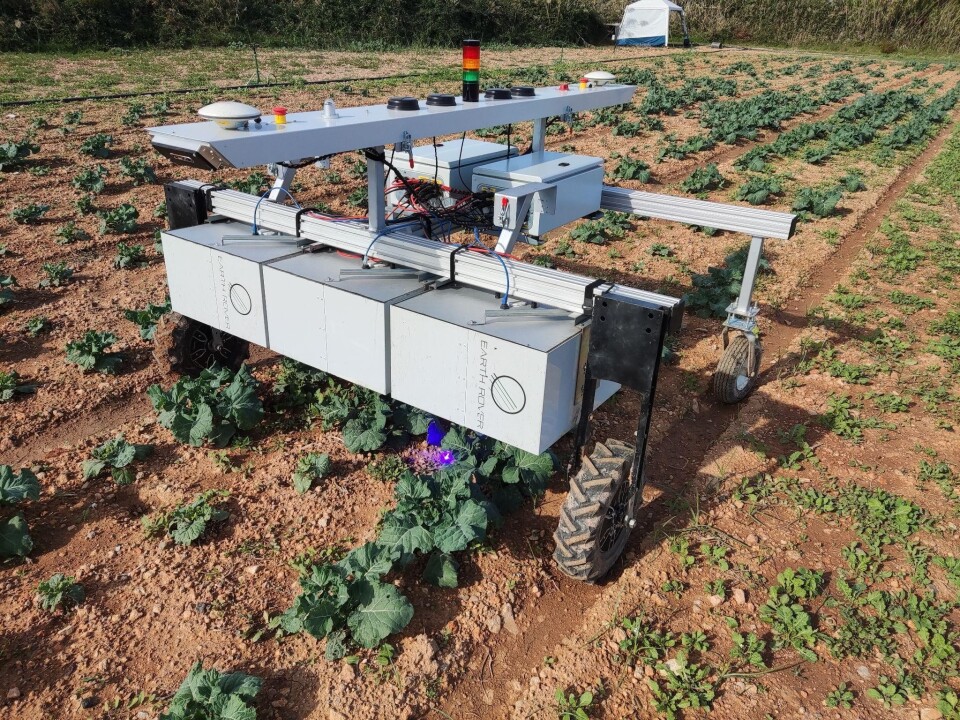
In agri-food automation, autonomous tractors, drone crop monitoring and robotic fruit pickers are extending automation to primary production.
3D food printing opens experimental possibilities for customised food shapes and nutrition profiles.
The five forces pushing food industry automation forward
Throughout automation's evolution there have been key factors consistently forcing food forward.
These are:
- Labour - costs and shortages
- Evolving regulations governing the food safety space
- Consumer demand for consistency
- A consistent call for speed and scale
- And a late addition - sustainability conerns
The food sector remains one of the more challenging environments for full automation. Human workers still fear being replaced by machines and the enormous variability in product — no two tomatoes or chickens are the same. But the trajectory is clearly toward ever-greater integration of robotics, AI, and autonomous systems across the entire value chain.

Foods Connected team
The Foods Connected team of experts all come from industry and are specialists in food safety compliance, strategic sourcing, traceability and animal welfare.
Stay up to date
Stay up to date
Browse Posts
- March 2026
- February 2026
- January 2026
- December 2025
- November 2025
- October 2025
- September 2025
- August 2025
- July 2025
- June 2025
- May 2025
- April 2025
- March 2025
- February 2025
- January 2025
- December 2024
- November 2024
- October 2024
- September 2024
- August 2024
- July 2024
- June 2024
- May 2024
- April 2024
- March 2024
- February 2024
- January 2024
- December 2023
- November 2023
- October 2023
- September 2023
- August 2023
- July 2023
- June 2023
- May 2023
- April 2023
- March 2023
- December 2022
- November 2022
- October 2022
- September 2022
- August 2022
- July 2022
- June 2022
- May 2022
- April 2022
- March 2022
- February 2022