The new Snapshot 2025 report from Crustacean Compassion was released on March 25 2026. Our Agriculture, Welfare & Sustainability Implementation Manager, Charlotte Maddocks, breaks down everything you need to know about the latest iteration of the seafood welfare assessment.
What is the Crustacean Compassion Snapshot?
It’s an industry benchmark on decapod crustacean welfare that occurs annually and is created and published by Crustacean Compassion, a UK-based animal welfare charity founded in 2016. It is the first benchmark of its kind and is dedicated specifically to decapod crustacean welfare including crabs, lobsters, prawns and other decapod crustaceans.
It's specifically assessing 30 UK retail and processing businesses against decapod crustacean welfare policies, targets, ambitions and welfare outcome indicators. So, they do things like assess the policies of companies, and their acknowledgement of decapod crustacean welfare as a business issue.
They then drill down into how a company implements that, who in the management team cares about it, and what kind of key targets they want to achieve – and score how businesses are measuring impact against commitments in decapod welfare such as humane slaughter practices. A key focus is communicating the importance of decapod welfare to consumers.
Crustacean Compassion are also a source of knowledge and influence for the industry, acting to raise the profile of decapod crustacean welfare at local and central government. The Crustacean Industry Welfare Hub (CIWH), is a sister website launched by Crustacean Compassion to provide seafood companies with tailored resources, codes of practice and the latest industry guidance.
What were the main takeaways?
Overall, the average company score rose to 46% – up from 40% in 2024. Plus, the average scores improved across all four pillars, which cover management commitment & policy, governance & management, innovation & leadership and performance reporting & impact. Demonstrating that progress is happening in this space.
Key headlines presented by Crustacean Compassion were:
- 19 of the 30 assessed companies (63%) now publish policies committing to ban the sale of live crustaceans for home cooking, including the majority of major UK supermarkets. When the benchmark launched in 2022, fewer than half of companies had any published crustacean welfare policy at all.
- 63% of assessed companies now commit to the use of electrical stunning in their supply chain, the current gold standard for humane slaughter of crabs and lobsters. This marks a significant shift, given that only a handful of companies had adopted this approach in early editions of the report.
- Overall average scores have risen sharply since the benchmark’s inception — from a sector-wide average of just 14% in 2022 to 40% by 2024, with this trajectory continuing in the 2025 results.
- Top company scores have climbed from 42% in 2022 to 90% in 2024, demonstrating that for those leading the field, near-comprehensive welfare policies are now achievable.
- ASDA remains the only major supermarket still placed in the bottom tier, though the retailer has since announced it will no longer sell live crustaceans in stores — a commitment that came too late to be reflected in this edition’s scoring.
- Areas still needing improvement include transparency around capture methods and consistent reporting on humane slaughter practices across supply chains.
"Overall, the average company score rose to 46% – up from 40% in 2024.
The report also arrives amid a significant policy development: in December 2025, the UK Government confirmed that live boiling is not an acceptable killing method for crustaceans, and announced plans to introduce guidelines on humane slaughter. Combined with a new report from the Animal Sentience Committee urging consistent legal protections for decapods, 2026 is shaping up to be a pivotal year for crustacean welfare legislation — if policymakers follow through on their commitments.
Who were the big winners this year?
Four companies made up tier 1. Crustacean Compassion championed Sykes Seafood, M&S Food (whose score improved YOY), New England Seafood and Youngs as their Welfare Leaders, making special mention of Sykes for jumping two tiers.
It was also the first year that a processor (Sykes again) topped the rankings. Crustacean Compassion praised them for their transparency, as they publicly report on the progress they make on their targets, such as the fact that 100% of their lobsters are electrically stunned.
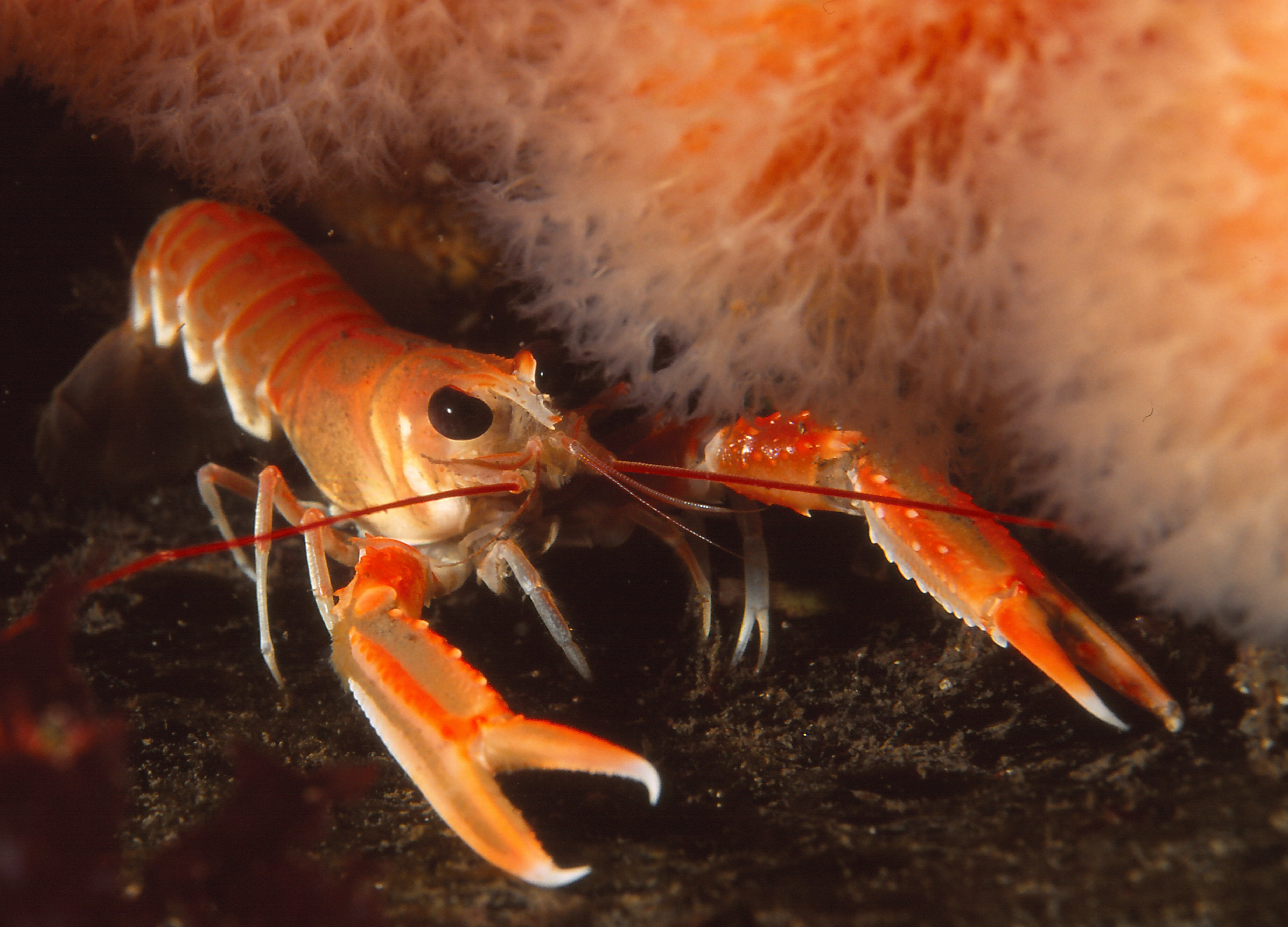
M&S also got a shout-out for being the only business which was visible on the welfare approach to its nephrops supply chain.
The assessment happens every August/September and is only based on public-facing information, rooted in company comms. Since then Asda has announced it will stop selling live crustaceans in stores, so that will boost their rankings next year.
"It was also the first year that a processor (Sykes again) topped the rankings.
How will it affect the industry
I think Crustacean Compassion is making a positive impact where there was a vacuum before. We can see the change in company comms and policies aimed at driving improvements in supply chain approaches to decapod crustacean welfare. Seafood companies are increasingly expected to understand, document and publicly report on welfare practices not just within their own operations but across their entire supply chain.
The UK government’s December 2025 announcement that live boiling is not acceptable, backed by a new Animal Sentience Committee report, means that some of the welfare standards The Snapshot has been tracking and promoting are on course to become legal requirements. Companies that have already adopted these practices will be well placed when legislation arrives; those that have not face a more disruptive period.
The details of any change in law still remain to be seen. There was an expectation that there would be an update by now legally, but there hasn't been. So, we're expecting it within the next six months. At which point Crustacean Compassion will do a seminar, but brands need to have it on their radar.
"Crustacean Compassion is making a positive impact where there was a vacuum before. We can see the change in company comms and policies aimed at driving improvements in supply chain approaches to decapod crustacean welfare.
What steps can businesses take to ensure they achieve a good benchmark ranking?
Crustacean Compassion were very clear on their recommendations, releasing five areas that companies can work on:
- Publish their policy commitments
- Understand what the law means for you
- Invest in innovation
- Be ambitious about welfare
- Boost transparency
It’s all about being open and honest about where you are and where you want to get to when it comes to your decapod and crustacean welfare – and then sharing it through your company comms.
We don’t know yet what the law change will ultimately mean, so brands must set their own objectives, like Asda, whose recent release said they were committed to not selling live animals.
"It’s all about being open and honest about where you are and where you want to get to when it comes to your decapod and crustacean welfare – and then sharing it through your company comms.
Ultimately this isn’t a static – one change and you’re done – update, this is a journey. Brands need to be talking about pilot studies, what is achievable now and in the future, and about sitting down with other members of the industry to implement change.
You can read the full report here.

-1.png "Protein Procurement What You Cant See, What Its Costing, and How to Fix It (1)-1")
/Blog%20Headers/shutterstock_1927957907%20(1).jpg)
/Blog%20Headers/shutterstock_2474442759.jpg)
/Blog%20Headers/shutterstock_1845178195%20(2).jpg)
/Blog%20Headers/shutterstock_2133827717%20(1).jpg)




.png)
%20(5).png)

.png)
/Blog%20Headers/Understanding%20an%20agile%20approach%20to%20product%20lifecycle%20managementjpg.jpg)
/Blog%20Headers/Allergen%20Management-3%20key%20ways.jpg)
/Blog%20Headers/Keith%20Cole%20Hi%20Res%20(1).png)
/Blog%20Headers/shutterstock_2259314129%20(2).jpg)